


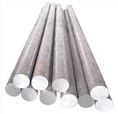

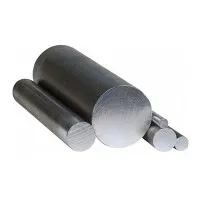


1.The description of hydraulic cylinder rod
Hydraulic cylinder rods made of chromized steel are widely used as piston rods in various hydraulic and pneumatic applications. These rods are subjected to extreme stress, friction, and harsh environmental conditions and require high-quality base metal and surface treatment. To meet these requirements, hard chrome bars are used that offer excellent properties such as wear and corrosion resistance, smooth surface, high yield strength, and uniform quality. These bars find common applications in agricultural machinery, production equipment, cranes, garbage compactors, lifters and many other such areas where durability, functionality and performance are critical. Investing in high-quality hard chrome bars is essential to ensure the safe and efficient operation of equipment in tough conditions.

The process of manufacturing the rod for a hydraulic cylinder involves several steps. It is important to follow a specific procedure to ensure the quality and functionality of the rod. The first step is to select the appropriate material for the rod. This material must have high strength and durability to withstand the pressure and stress of the hydraulic system. Once the material is chosen, it is cut into the desired length for the rod. The next step is to shape the rod through various machining processes such as turning, milling, and grinding. This helps to achieve the required dimensions and surface finish of the rod. After shaping, the rod undergoes heat treatment to enhance its hardness and strength. This involves heating the rod to a specific temperature and then cooling it rapidly. The heat treatment process also helps to relieve any internal stresses in the material. Once the heat treatment is complete, the rod is ready for further finishing operations. These operations may include polishing, buffing, and coating to improve the aesthetics and corrosion resistance of the rod. Finally, the rod is carefully inspected for any defects or imperfections. This may involve visual inspection, measurement, and non-destructive testing techniques. Any flaws found during inspection are rectified before the rod is considered ready for assembly. Overall, the production procedure of a hydraulic cylinder rod requires attention to detail and precision to ensure a high-quality end product.
Hydraulic cylinder rods are high-quality products made of chromized steel commonly used as piston rods for hydraulic and pneumatic applications. These rods are subjected to extreme stress, friction, and harsh environmental conditions; therefore, it is crucial that the base metal and surface treatment achieve the necessary standards. A hard chrome bar is the optimal choice for its wear resistance, corrosion resistance, surface smoothness, high yield strength, and consistent quality. Various applications include agricultural equipment, cranes, lifters, production machinery, and garbage compactors.

3.The Application of hydraulic cylinder rod
Hydraulic Cylinder Rods are chrome-plated steel bars that serve as piston rods for various hydraulic and pneumatic applications. These robust steel products are specifically designed to withstand high levels of stress, friction, and extreme environmental conditions. As a result, the quality of the base metal and subsequent surface treatment is crucial in ensuring optimal performance.
The hard chrome bar possesses a range of essential properties that make it highly suitable for such demanding applications. Firstly, it exhibits exceptional wear resistance, allowing it to endure prolonged usage without significant deterioration. Additionally, it offers remarkable corrosion resistance, safeguarding the rod against damage caused by moisture or harsh chemicals.
Another important characteristic of the chrome-plated steel bar is its surface smoothness. The precise and uniform chrome plating ensures a sleek and polished finish, reducing friction and facilitating smooth movement within hydraulic systems. This attribute is vital for achieving efficient operation and preventing premature wear.
Furthermore, the high yield strength of hydraulic cylinder rods contributes to their durability and robustness. They can withstand heavy loads and intense pressure without deformation or failure, making them ideal for demanding industrial applications. Additionally, the uniform quality of these rods ensures consistent performance across various working conditions.
Due to their exceptional properties, hydraulic cylinder rods find widespread use in various industries. They are commonly employed in lifters, cranes, garbage compactors, production machinery, and agricultural equipment. In these applications, the rods play a crucial role in facilitating efficient and reliable hydraulic and pneumatic operations.
In conclusion, hydraulic cylinder rods are chrome-plated steel bars renowned for their exceptional properties and suitability for high-stress and harsh environmental conditions. Their wear resistance, corrosion resistance, surface smoothness, high yield strength, and consistent quality make them indispensable components in numerous industrial applications.

The chemical composition of the rod in a hydraulic cylinder is an important aspect to consider. It determines the durability and performance of the cylinder in various applications. By altering the sequence of elements and their percentages, the composition can be tailored to meet specific requirements.
The chemical composition typically includes elements such as carbon, manganese, phosphorus, sulfur, silicon, chromium, nickel, and molybdenum. These elements play a crucial role in enhancing the mechanical properties of the rod.
Carbon is a key component that provides strength and hardness to the rod. Manganese improves the hardenability and wear resistance, while phosphorus and sulfur enhance the machinability. Silicon contributes to the strength and fluidity of the rod during manufacturing processes.
Chromium and nickel are added to improve the corrosion resistance of the rod, particularly in environments exposed to moisture or chemicals. Molybdenum further enhances the resistance to corrosion and provides high-temperature strength.
The exact composition may vary depending on the specific application of the hydraulic cylinder. For instance, if the cylinder operates in extreme temperatures or corrosive environments, a higher proportion of alloying elements would be required.
In conclusion, the chemical composition of the hydraulic cylinder rod is carefully designed to meet the desired mechanical properties and performance requirements. By adjusting the composition, the rod can be optimized for strength, durability, and resistance to various external factors.
Material | C% | Mn% | Si% | S% | P% | V% | Cr% |
Ck45 | 0.42-0.50 | 0.50-0.80 | 0.17-0.37 | ≤0.035 | ≤0.035 | ≤0.25 | |
ST52 | ≤0.22 | ≤1.6 | ≤0.55 | ≤0.04 | ≤0.04 | 0.02-0.15 | |
20MnV6 | 0.17-0.24 | 1.30-1.70 | 0.10-0.50 | ≤0.035 | ≤0.035 | 0.10-0.20 | ≤0.30 |
42CrMo4 | 0.38-0.45 | 0.50-0.80 | 0.17-0.37 | ≤0.035 | ≤0.035 | 0.07-0.12 | 0.90-1.20 |
40Cr | 0.37-0.45 | 0.50-0.80 | 0.17-0.37 | ≤0.035 | ≤0.035 | 0.80-1.10 |

Hot Tags: hydraulic cylinder rod, China hydraulic cylinder rod manufacturers, suppliers, factory


